
A faithful response to God became a lasting source of hope and transformation
Monsignor Joseph Hirsch
Executive Director of Casa Hogar Juan Pablo II
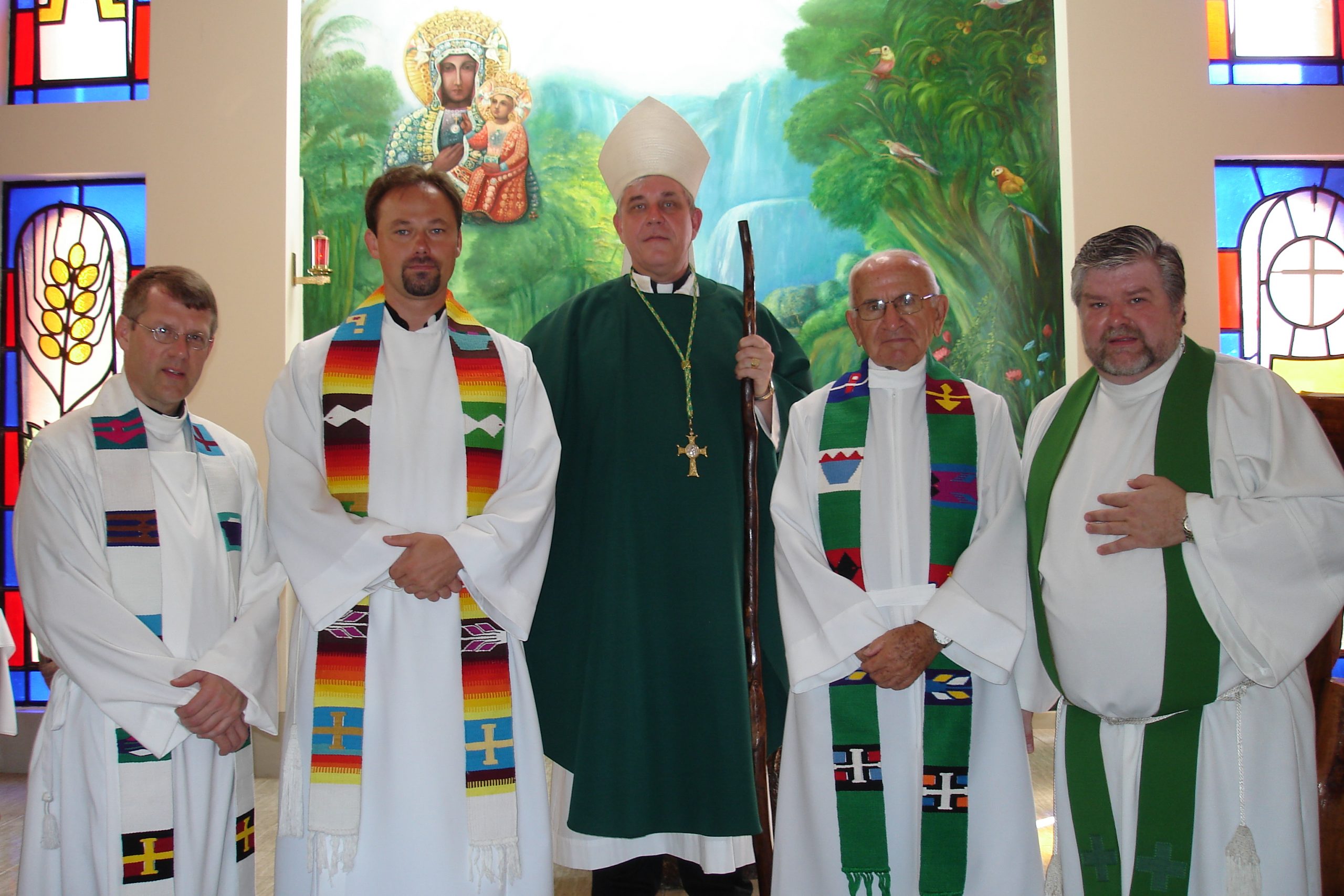
In January 2006, I had the privilege of traveling with a group of priests and Bishop Jerome Listecki to visit the missions of the Diocese of La Crosse in South America. Our first stop was Santa Cruz, Bolivia, where we celebrated the 50th anniversary of the parish founded by Father Joseph Walijewski in 1956. From there, we traveled to Peru to see Father Joe’s work in the parish Cristo Salvador in Villa El Salvador and at Casa Hogar Juan Pablo II, which was also celebrating its 20th anniversary that year.
The Lasting Fruit of One Faithful Yes
I reflected on the extraordinary impact that one person’s decision to say yes to Jesus Christ can have on the lives of countless others. As I looked around, I wondered how many children Father Joe had baptized, how many Masses he had celebrated, how many confessions he had heard, how many people had received the anointing of the sick and how many weddings and funerals he had presided over during his priesthood. I considered the thousands of individuals who had come to him over the years, searching for hope, guidance and encouragement in moments of desperation.
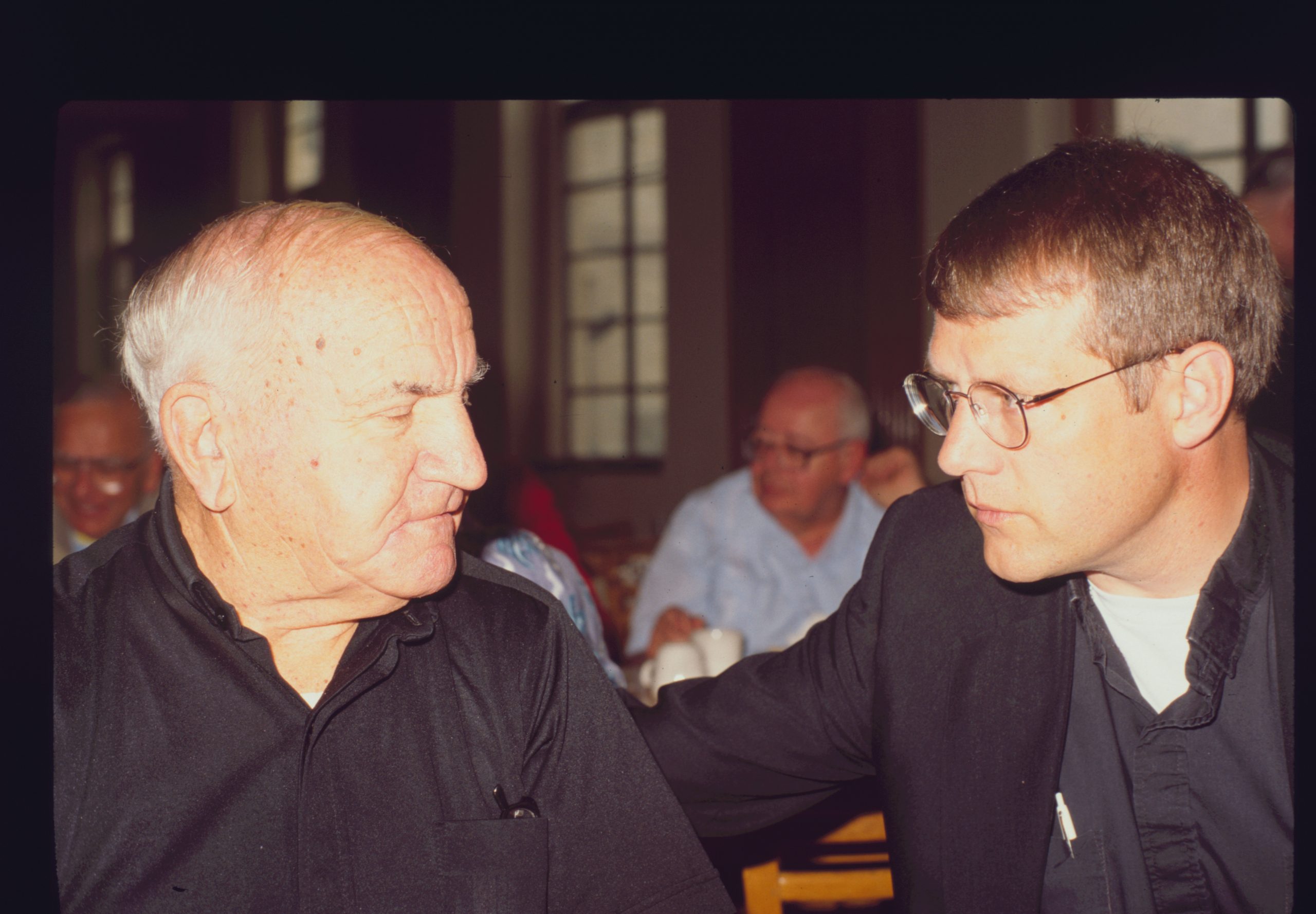
I also thought about the countless children who have been rescued from abuse, abandonment, neglect and extreme poverty through the ministries he established. Through his faith and perseverance, many young people were given opportunities that might not have otherwise existed. They found healing, stability, education and, most importantly, the chance to discover God’s love. Father Joe became a beacon of hope for those who had little reason to hope. He served as an anchor of stability for families and children whose lives were marked by uncertainty, offering them the promise of a better future.
Forming Others to Continue the Mission
Yet as remarkable as these accomplishments were, there is another dimension of Father Joe’s ministry that has always inspired me even more. He not only wanted to serve people; he wanted to form people. He understood that the mission of the Church could never depend upon one priest alone. His vision was to inspire others to become missionary disciples who would continue the work long after he was gone.
In Santa Cruz, Bolivia, in the parishes of Villa El Salvador and later through Casa Hogar Juan Pablo II in Lurín, Father Joe encouraged ordinary people to discover that they, too, had a mission. He inspired volunteers to work in breakfast programs, soup kitchens, educational projects, vocational training centers and countless other ministries. He challenged people to move beyond simply receiving help and instead become instruments of God’s love in their own communities.
Over the years, I have interviewed many people whose lives were touched by Father Joe. Again and again, I heard the same theme. They served as volunteers because they wanted to give something back to God. Their service was not merely social work; it was an expression of their faith. It was part of their own journey toward holiness and a means of living out their Christian vocation. Father Joe helped them recognize that every baptized person is called to participate in Christ’s mission.
Bringing the Mission Home
I remember Father Joe telling several of us priests back in 1994 that he wanted to form missionaries for the Diocese of La Crosse. Father Joe believed that our mission field extended beyond just Peru or Bolivia. He often reminded us of the importance of giving something back to the Church that had sent us. He referred to this vision as “reverse mission.”
Long before the phrase “missionary discipleship” became popular in the Church, Father Joe was already living it. He encouraged us to organize mission trips and immersion experiences that would help volunteers encounter Christ among the poor and discover a missionary spirituality. The goal was never simply to complete a project or have a meaningful experience. Rather, it was to inspire people to return home and ask a deeper question: “Lord, what do You want me to do with my life?”
That simple yet profound question has inspired missionaries, volunteers and benefactors over the years. Many who participated in these mission experiences returned home with a renewed faith, a deeper commitment to service and a greater awareness of God’s call in their lives. Some became leaders in their parishes, while others entered religious life or ministry. Still, others became devoted Christian witnesses within their families, workplaces and communities.
Carrying Father Joe’s Legacy Forward
Today, all our efforts at Casa Hogar carry on the legacy of Father Joe. His vision lives on through the children we serve, the volunteers who generously dedicate their time, the benefactors who make our mission possible and the missionaries who continue to share Christ’s love with those in greatest need.
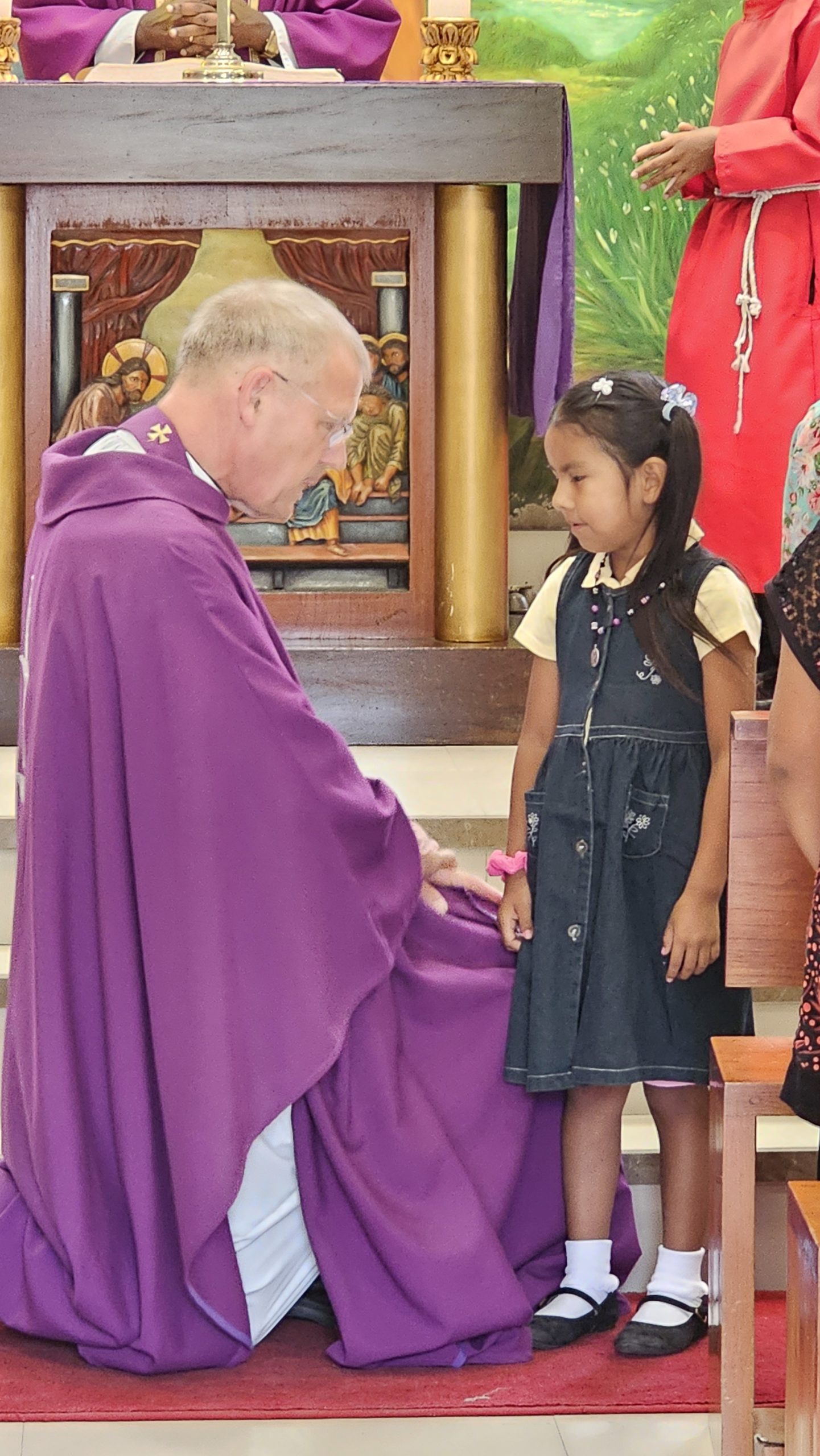
I consider it one of the greatest privileges of my priesthood to have learned from Father Joe’s example and to help carry this mission into the present day. At the same time, we must continue preparing future missionaries who will lead this work long after we are gone. The mission has never been about just one person. It is about forming disciples who will continue saying yes to Christ in every generation.
We live in challenging times. Many people struggle with uncertainty, loneliness and fear about the future. Yet these are precisely the moments when God raises up missionaries. Just as He called Father Joe and countless missionaries before us, He continues to call men and women today to be signs of hope and love in a troubled world.
“Everything will turn out well”
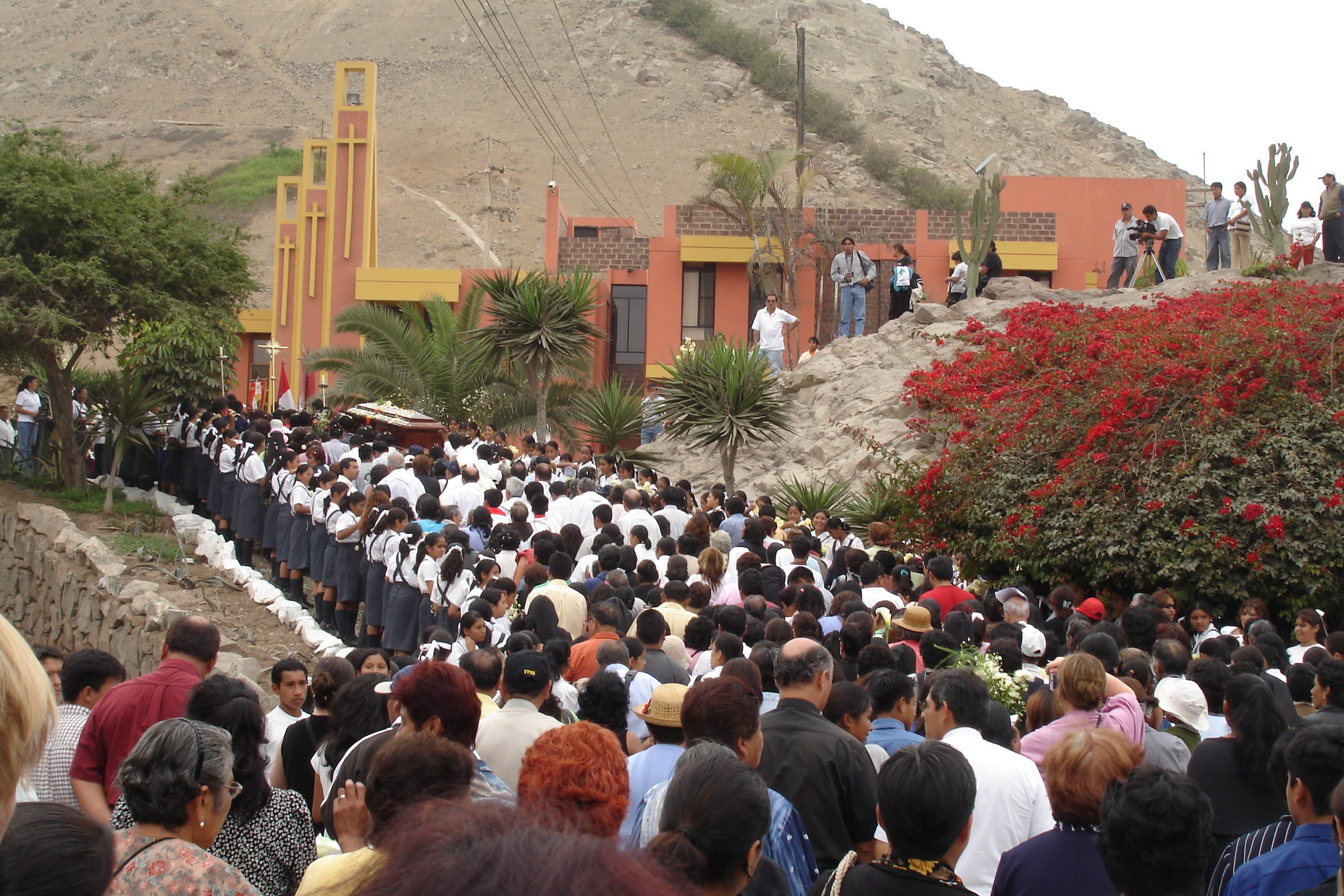
As I reflected on the life and ministry of Father Joe during the 50th anniversary of Santa Cruz Parish in Bolivia and the 20th anniversary of Casa Hogar in 2006, none of us realized that this would be the last time we would see Father Joe. Just a few months later, the Lord called him home during Holy Week. Father Joe celebrated Palm Sunday Mass, and that afternoon, he fell ill and was taken to the hospital. The doctor informed him that day that he had terminal leukemia. That night, as he said goodbye to his last visitor, he reassured them, saying, “Don’t worry, everything will turn out well.” After saying his prayers, he went to bed and passed away peacefully.
At the funeral, I heard people say, “I have heard of Mother Teresa of Calcutta and Pope John Paul II, but this is the first saint I actually know.” It was the most meaningful funeral I have ever attended. It did not signify the end of a good life but rather the beginning, because now his mission lives on within us.
May we trust in the God who guided the missionaries of the past, may He fill us with His grace and courage and may He help us carry the fire of Christ’s love to those who need it most, inspiring others to continue this great legacy for generations to come.