
Story by Dan Rislove
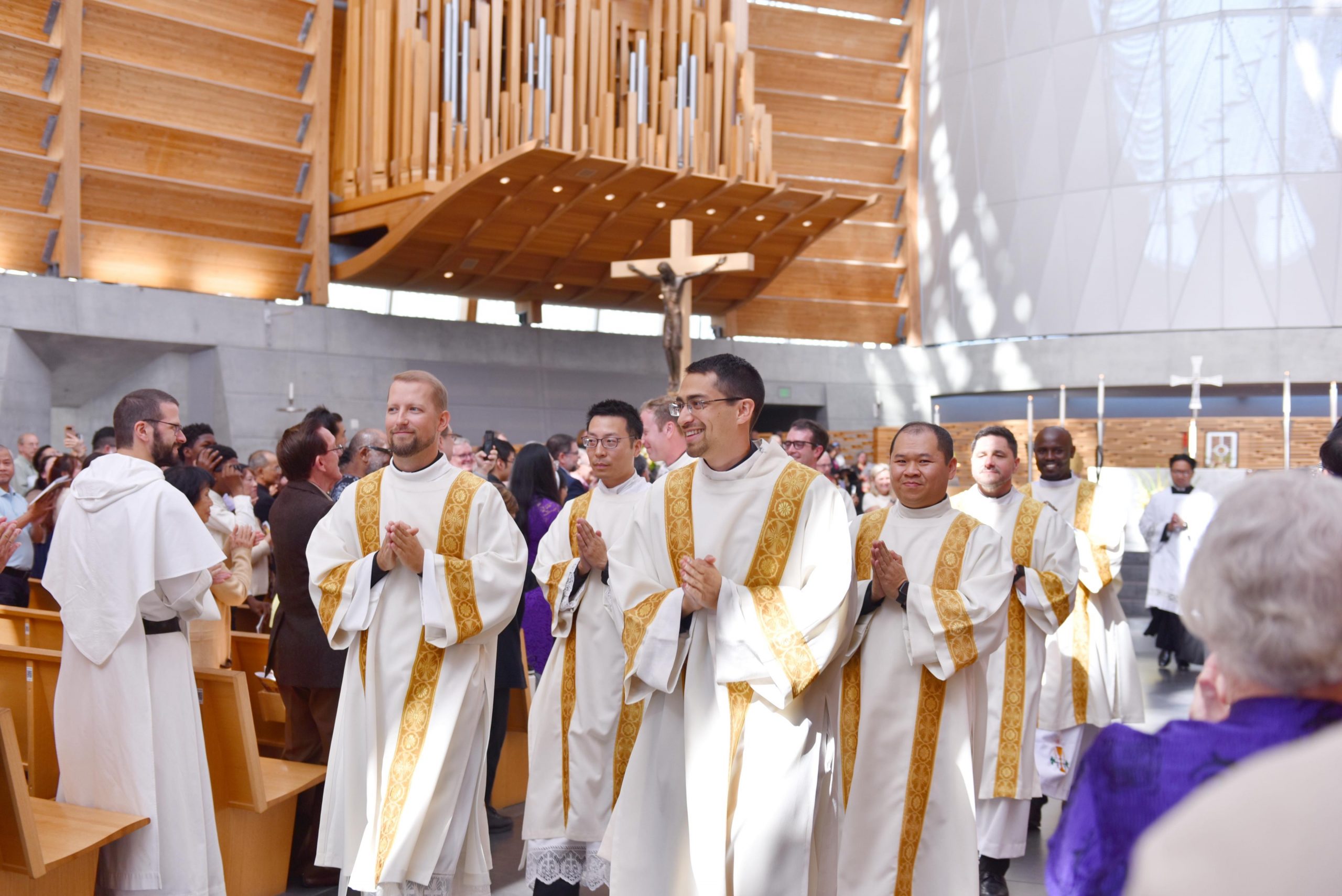
The Society of Jesus, also known as the Jesuits, has been preaching the Catholic Faith in Wisconsin since the earliest days of French missionary activity in the region. On June 13th, the Jesuits celebrated the ordination of Father Erin Kast from Wausau. Father Kast was first welcomed into the Jesuit order in 2015, and he made a personal commitment in perpetuity two years later. His ordination is the culmination of more than a decade of prayer, discernment and formation.
Growing up in Wausau, Father Kast and his family attended St. Anne Parish. During the week, he received a solid Catholic education through Newman Catholic Schools. He was initially drawn to the Capuchins, who have a strong presence in Wausau, and came to know Father Dan Crosby through his work at St. Anthony Retreat Center (now St. Anthony Spirituality Center).
The Jesuits were also woven into his family history. His mother had attended a Jesuit school in Mumbai, India, and one of her closest childhood friends, Father Frazier, became a Jesuit priest. The Jesuits later helped her earn her doctoral degree at Fordham University.
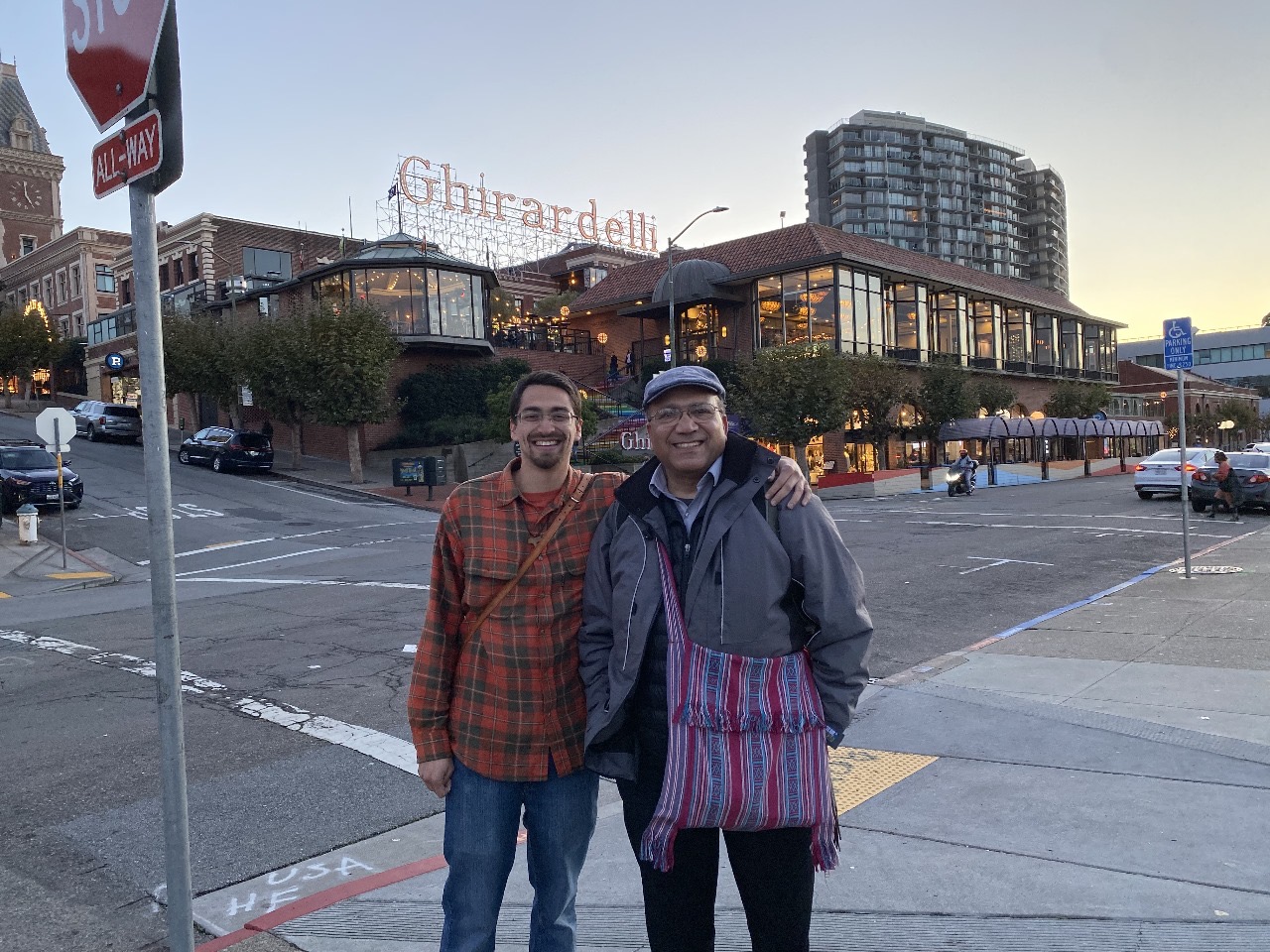
When the time came for college, Father Kast followed in his mother’s footsteps to Fordham University. While there, he found the Jesuit vocation director’s contact information online and reached out to Father Paul Coelho, S.J. A fruitful conversation led him to enter the Jesuit novitiate for the Midwestern Province in St. Paul, Minn., in 2015. Over the years, Father Coelho, who also grew up in India, became a spiritual mentor and friend. He vested Father Kast at his ordination on June 13 at the Church of the Gesu in Milwaukee.
The Long Road of Jesuit Formation
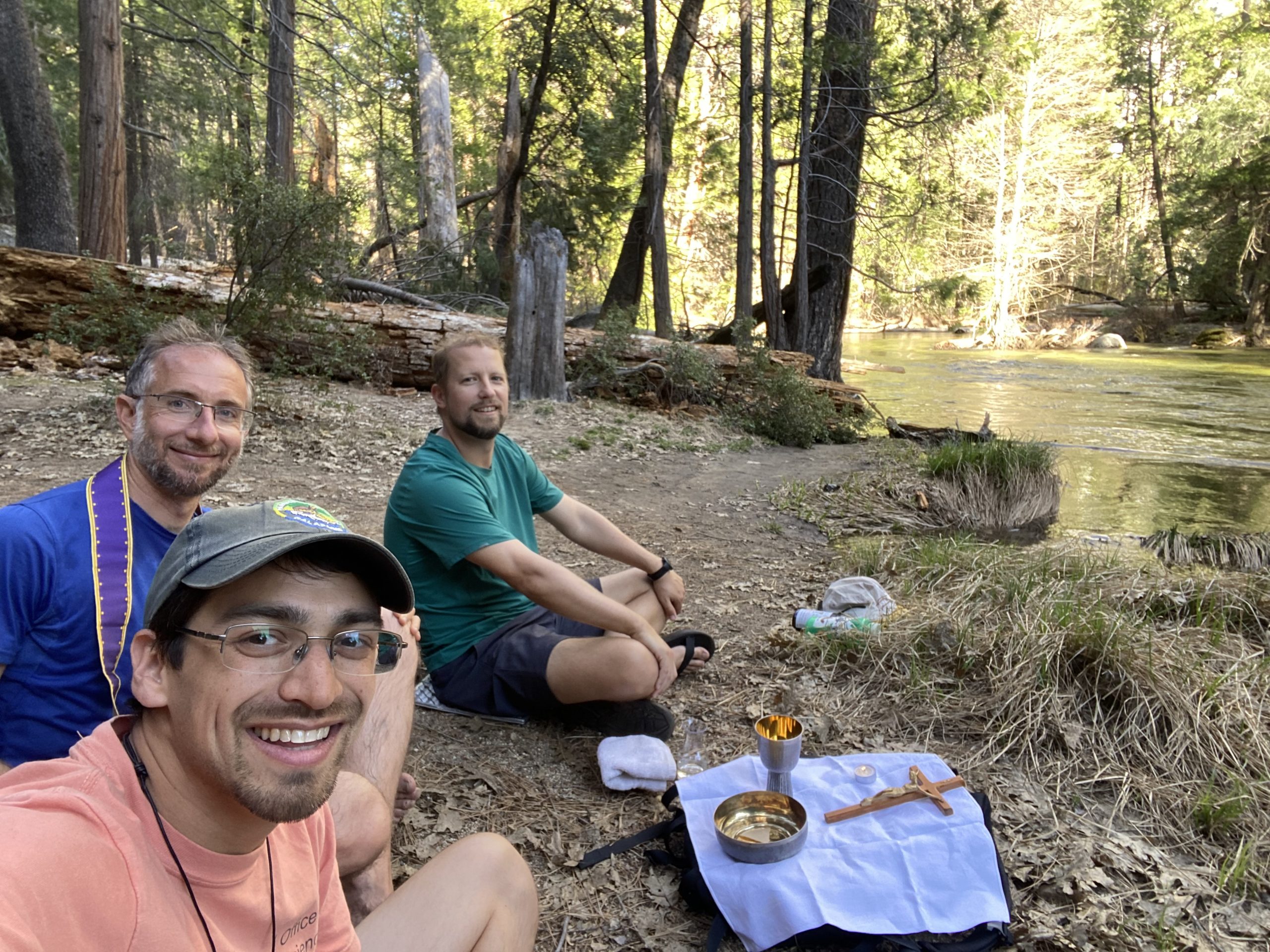
The journey from novitiate to priestly ordination has taken 11 years. The journey is long but typical for those in Jesuit formation. Like most seminary programs, formation involves community life, prayer, spiritual direction and retreats. Academic formation is especially rigorous: Jesuit seminarians receive extensive training in both philosophy and theology, spending roughly three years on each. Between those programs of study, they serve in an apostolic ministry called a regency. Father Kast spent his regency teaching chemistry and biology at Creighton Prep in Omaha, Neb.
Jesuit novices participate in what are called “experiments.” The term comes from from the Spanish word experimentar, meaning “to experience.” These take many forms: working in a prison, a hospital or a school. One experiment, the pilgrimage, involves going out into the world as a mendicant, relying entirely on God and the generosity of strangers. The purpose is radical dependence on God. Father Kast described it as “an opportunity to put your life entirely in the hands of God, to let God take care of everything.”
For his pilgrimage, Father Kast was given $30 and a one-way bus ticket to the city of his choice. He could not return for 30 days. He chose Selma, Ala. He brought a pocket New Testament, a copy of “The Imitation of Christ,” a water bottle and a letter from his superior with a contact number. He had no phone, no plans to stay with friends or family and was instructed not to volunteer that he was a seminarian.
In Selma, Father Kast volunteered at a soup kitchen and was given shelter. From there, he walked to Montgomery, retracing the route of the 1965 civil rights marches, having spent 50 cents on a blanket so he could sleep on the side of the road.
In each city, he volunteered at a homeless shelter or Catholic relief agency, giving away whatever money he had accumulated when he left and beginning again with nothing. In the final days of his pilgrimage, he befriended a group of Japanese Buddhist monks and spent hours in conversation with them while helping build a pagoda in the Appalachian Mountains. As his 30-day deadline approached, they offered to buy him a bus ticket home if he stayed a few extra days. He called his superior for permission. Permission was granted.
Thoughts on Discerning a Vocation
Father Kast draws deeply from St. Ignatius of Loyola on the subject of discernment. Sometimes, he notes, a person simply knows what God is calling them to do, but that is rare. More often, Ignatius teaches two modes of discernment. The first attends to the interior movements of the spirit: Is what you are feeling consolation, drawing you toward God? Or desolation, pulling you away? When feelings are stirred, their origin reveals their direction. When feelings are absent, the second mode applies: reason through the decision, weigh the options and make the best judgment available.
For Father Kast, discernment often calls for concrete acts of commitment: Make an initial offering of faithfulness, take a vow, accept an assignment, say yes to what God seems to be asking and then trust. “God makes it fruitful in ways you couldn’t imagine,” he says. “Sometimes it’s scary. Sometimes it’s unexpected. But what God is doing is working with the faithfulness you give him.” He points to Romans 1:17, where St. Paul writes that the righteousness of God is revealed “from faith to faith,” from our faithfulness to God’s answering faithfulness. In his novitiate vows, his pilgrimage, and each missionary assignment, Father Kast has made that offering. What God does with it, he trusts, will continue to unfold.
From Formation to Ministry with the Society of Jesus
As he completes his theological studies at the Jesuit School of Theology of Santa Clara University in Berkeley, Calif., Father Kast is awaiting his missionary letters from his provincial, which will determine his assignment after ordination. He expects he may be sent to teach biology at a Jesuit school in Indianapolis.
His scientific background deepens rather than competes with his faith. He loves hiking and finds God in the natural world, but he is careful to distinguish love of nature from understanding of it. He traces that distinction to a high school biology class and Gary Larson’s “There’s a Hair in My Dirt!” The humorous tale, narrated by a worm, is about a girl who romanticizes nature without truly understanding it. Real understanding, Father Kast says, reveals something far richer. Biology helps you see “what God has given us, what God does for us.”
As Father Kast’s parents, siblings and friends gathered at the Church of the Gesu for his ordination, they witnessed the latest fruit of a faithfulness that began long before a $30 bus ticket to Selma. The missionary letters have not yet arrived. The assignment is not yet known. But for a man formed in the tradition of St. Ignatius, one who has learned to give God his faithfulness and trust the rest, that is precisely as it should be.