
by Chris Ruff
Director of the Office for Ministries and Social Concerns
This issue of Catholic Life carries profiles of six men being ordained permanent deacons for the Diocese of La Crosse on June 6, 2026. With their ordination, I will have been privileged to witness the ordination of 61 of the 70 deacons currently serving our diocese. Over this span of 25 years, I have seen the program grow, change and deepen in ways I could not have anticipated when I first walked through the door. This seems a fitting moment to tell that story.
Deacon Formation Reset and Renewal
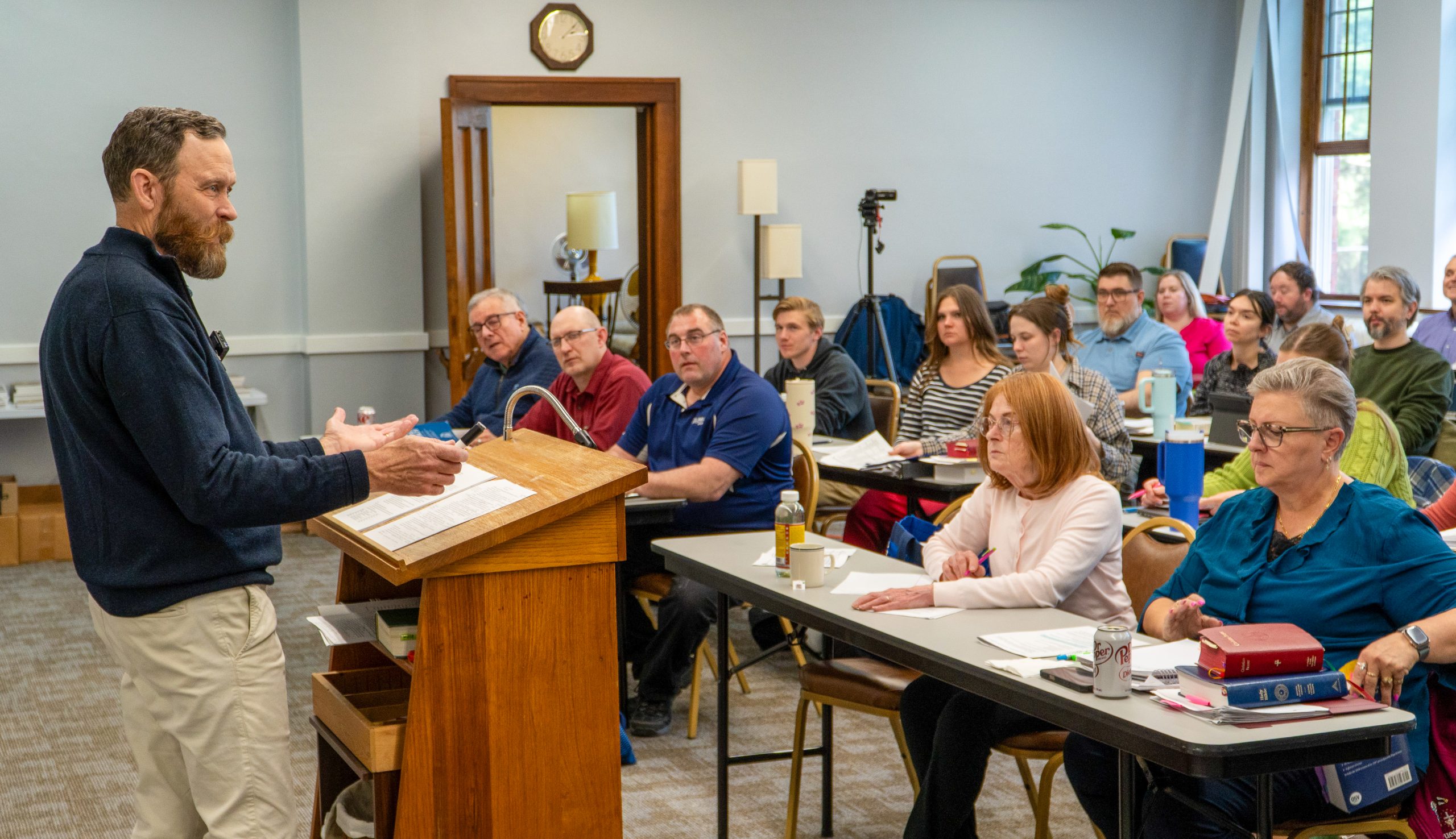
I was hired in 2001 by then-Bishop Raymond Burke to direct the Lay Ministry Program (now called the Lay Formation Institute) and to restart and direct the Deacon Formation Program after a hiatus of five years. Bishop Burke wanted to be sure we were aligned with the Basic Norms for the Formation of Permanent Deacons, issued by the Vatican in 1998.
The permanent diaconate as one of three ranks of Holy Orders (the other two being priest and bishop) had only been restored by Pope Paul VI in 1967, so it was still very young. In fact, deacon formation in the Diocese of La Crosse had begun in 1977, with the first class ordained in 1983. But the approach to deacon formation varied widely across the U.S., and the Vatican saw the need to establish basic norms for a more unified approach.
Bolstering the Program
One emphasis was on more rigor in formation, bringing men studying for the diaconate closer to the level of education received by men studying for the priesthood. And so, in 2002, our diocese engaged the Institute for Pastoral Theology (IPT) of Ave Maria University to establish a satellite “weekend campus” at St. Stephen’s Catholic School in Stevens Point. The IPT would run their master’s program in pastoral theology once a month from Friday through Saturday evening, and we would devote Sunday to our own specifically diaconal formation.
It was a lot. Deacon Jerry Rynda, now the coordinator of pastoral field education for deacon formation, was one of 11 men who made it through that adventure. He recalled with a smile, “It was rich, but very intense—and it nearly killed us! We were all men with families, jobs and various responsibilities in the Church and in our communities. Yet, in the end, we were very well trained and, by the grace of ordination, ready to serve the Church.”
Father Felix Steps Up
We on the formation team could see Deacon Rynda’s point. Insisting on a master’s program for men discerning a call to the permanent diaconate was too much. We were determined to find a better way. But just as we were wrestling with that, the U.S. Bishops issued a national directory for deacon formation, and in it they mandated that the director of deacon formation for a diocese must be either a deacon or a priest. I was neither.
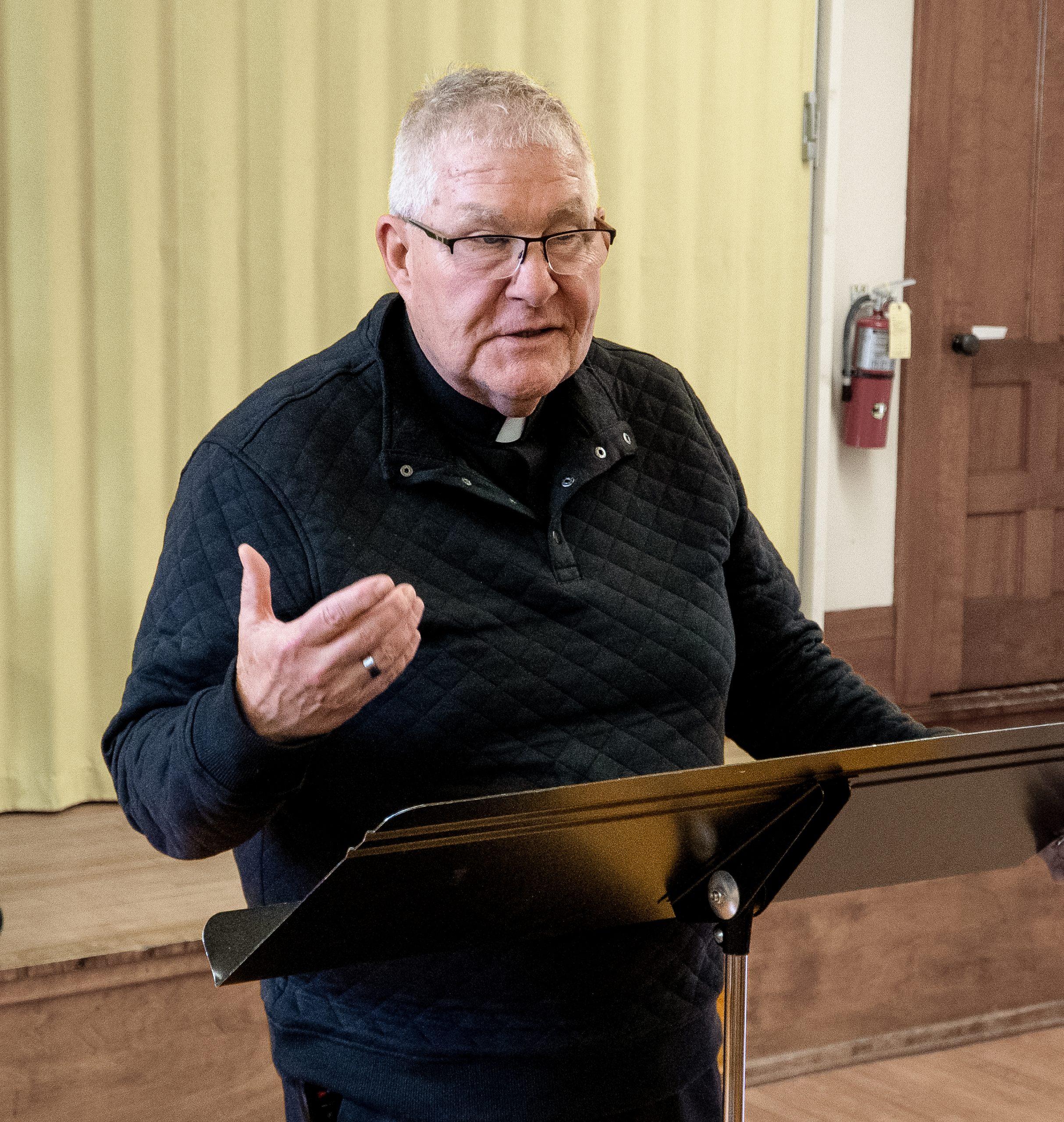
I vividly remember going to Bishop Burke and telling him, “Bishop, I’m afraid I need to be replaced!” The good news is that Father Felix, who was at that time the program’s director of spiritual formation, agreed to take the helm as the overall director, and I would be his assistant director and academic dean, while continuing to direct lay formation.
It was providential, as Father Felix has long held a special love for the diaconate, rooted in his own experience as a transitional deacon, a man on the path to priesthood who serves first as a deacon. He was assigned to a rural parish whose pastor was on sabbatical, and he recently recalled those months: “I celebrated parish Communion services during the week, brought holy Communion to the sick and the homebound, led funeral vigils, prepared couples for marriage, and so on. My experience of diaconal ministry not only helped prepare me for the priesthood; it also gave me a deep appreciation for the diaconate itself.”
A New Blueprint
Still to resolve was the question of how to form men for the diaconate without the grueling demands of a master’s program. We decided we could better serve them through a curriculum created in-house, tailored specifically to the diaconal vocation and drawing on the teaching expertise within our diocesan offices and presbyterate. So, we built that curriculum. It has served us well for the past 19 years, with periodic refinements along the way.
We also decided to extend the length of deacon formation from four years to five, with two years of aspirancy (a time for initial testing and “aspiring” to the vocation of deacon) followed by three years of candidacy (a time of more solid conviction, while still allowing for discernment).
Building a Hybrid
We made another change heading into the fall of 2007, one that has been enormously fruitful. Up to that point, I had been running the Lay Formation Institute separately from deacon formation, on a different weekend each month. I love the LFI, through which I’ve seen hundreds of men and women deepen their discipleship in Christ and become contagious witnesses in their parishes. But the teaching and logistical demands of running both programs monthly were stretching our resources.
Father Felix proposed a solution. Since LFI was a two-year program, matching the duration of our diaconal aspirancy, what if we ran them simultaneously? They could share core courses—Introduction to Sacred Scripture, The Creed, Christian Prayer—and split off for others, all on the same weekend of the month. The men in diaconal candidacy would have separate classes on the same weekend for their own three-year curriculum. The puzzle pieces required careful assembly, but it was a brilliant solution, and we implemented it that fall.
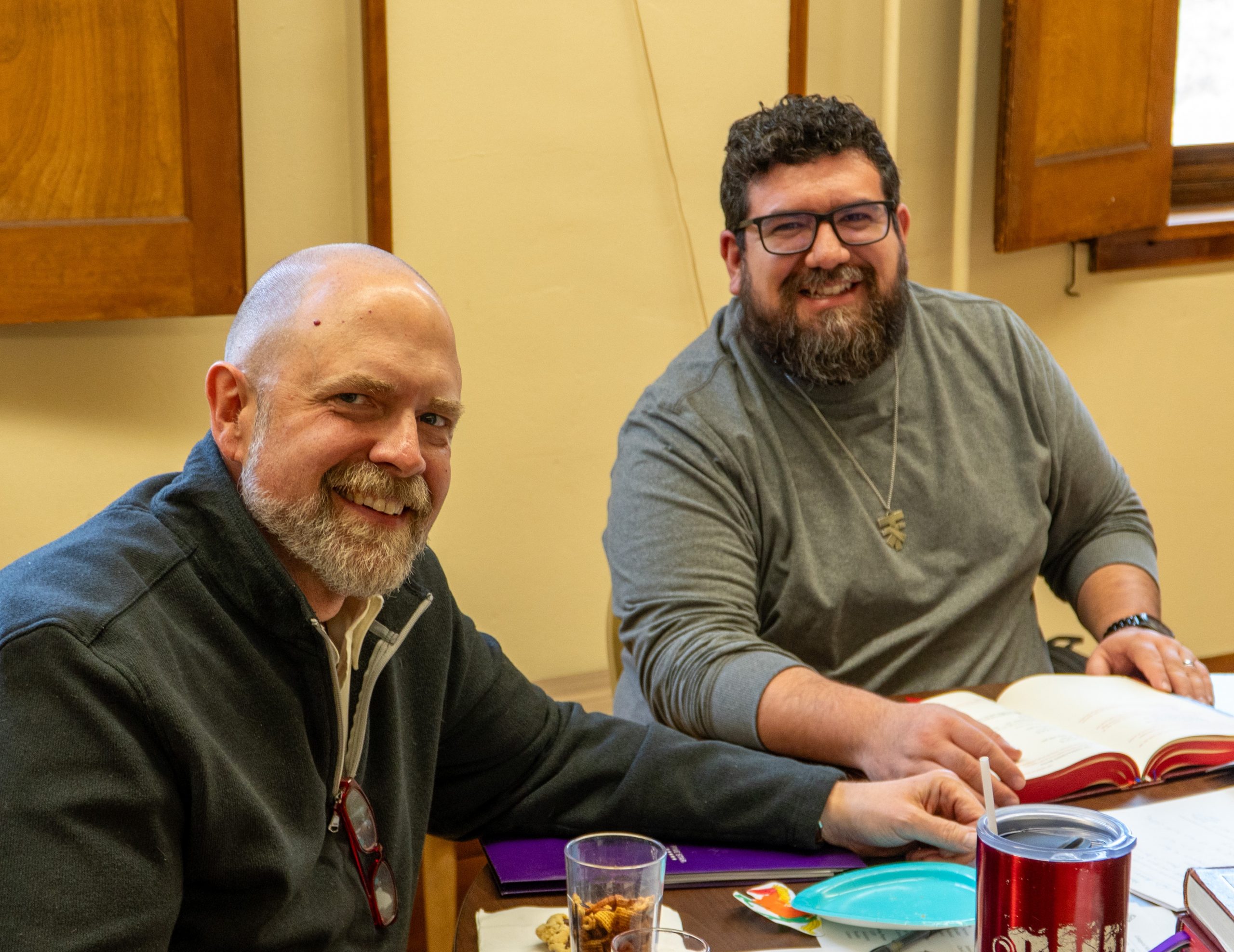
This consolidation has saved time, money and travel. We maximize our monthly use of St. Anthony’s Spirituality Center in Marathon, where most of the formation is held, and each weekend we enjoy a buzzing beehive of energy and enthusiasm, with priests, deacons, aspirants, candidates and LFI students all gathering for Mass, prayer, classes, meals and fellowship.
A Multi-Diocesan “Diaconal Seminary” is Born
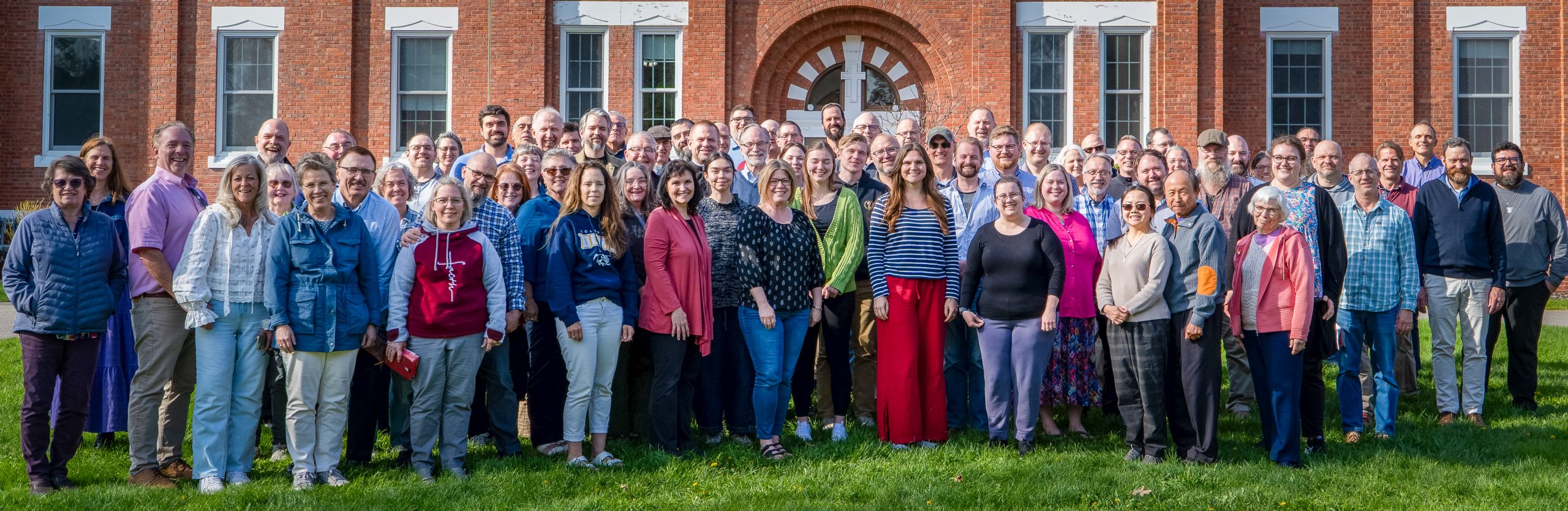
But the new developments didn’t stop there. In 2009, we received an inquiry from Bishop Robert Morlino of the Diocese of Madison, which did not have an active Deacon Formation Program. He asked if we would be willing to accept a man from his diocese into our program. We agreed, and that opened the door to an ongoing collaboration with the Diocese of Madison, followed in 2011 by the Diocese of Superior, which was also without a program of its own. As of today, 30 men from those two dioceses have gone through our program and been ordained deacons, and 16 are currently at various stages of formation.
The arrangement has benefited everyone involved. The dioceses of Madison and Superior invest in our program, sparing them from building their own. As Bishop James Powers of Superior put it, “The Diocese of La Crosse has a wonderful permanent Deacon Formation Program. The shared programming has been of great value thanks to the strength of numbers this model brings and the cross-diocesan insights the men share with one another.”
This collaboration has also enabled us to draw gifted teachers and retreat masters from the other dioceses. Deacon Chris Schmelzer, a 2018 graduate of our program and current director of the Permanent Diaconate for the Diocese of Madison, is a beloved member of our faculty. He appreciates the balance between classroom learning and spiritual growth, noting that “the instructors combine strong academics with spiritual insights. Many of our men have said formation has such a strong spiritual element that it is like going on retreat once a month, and they look forward to each weekend and journeying with the brothers in their cohort.”
Deep Bonds of Friendship
The friendship that develops among the men in formation is striking and it extends to their spouses, who are encouraged to attend formation weekends alongside their husbands and who gathered for a wives’ retreat this past spring. The diaconate is a shared vocation, and the program treats it as one. Patrick Conley, one of the six men being ordained for La Crosse on June 6, observed: “Our formation has been top-notch, but the element I will miss most will be the time spent with the other men in my cohort and their wives. We bonded in a very short time, and they have become true brothers. It pains me to imagine not having the opportunity to spend time learning, laughing, telling stories and praying with them on a monthly basis.”
Russell Yount, who will be ordained for the Diocese of Madison this summer, is also a member of that cohort. He noted the same bonds of brotherhood and then added: “These past four and a half years have been quite the journey, filled with many opportunities to grow and many challenges as well. Formation doesn’t require perfection. It only requires the grace to persevere and a willingness to keep saying yes to the call. Fortunately, my wife Bonnie has enthusiastically supported this journey from the beginning and has been there with encouragement when I needed it most.”
A Wonderful Team
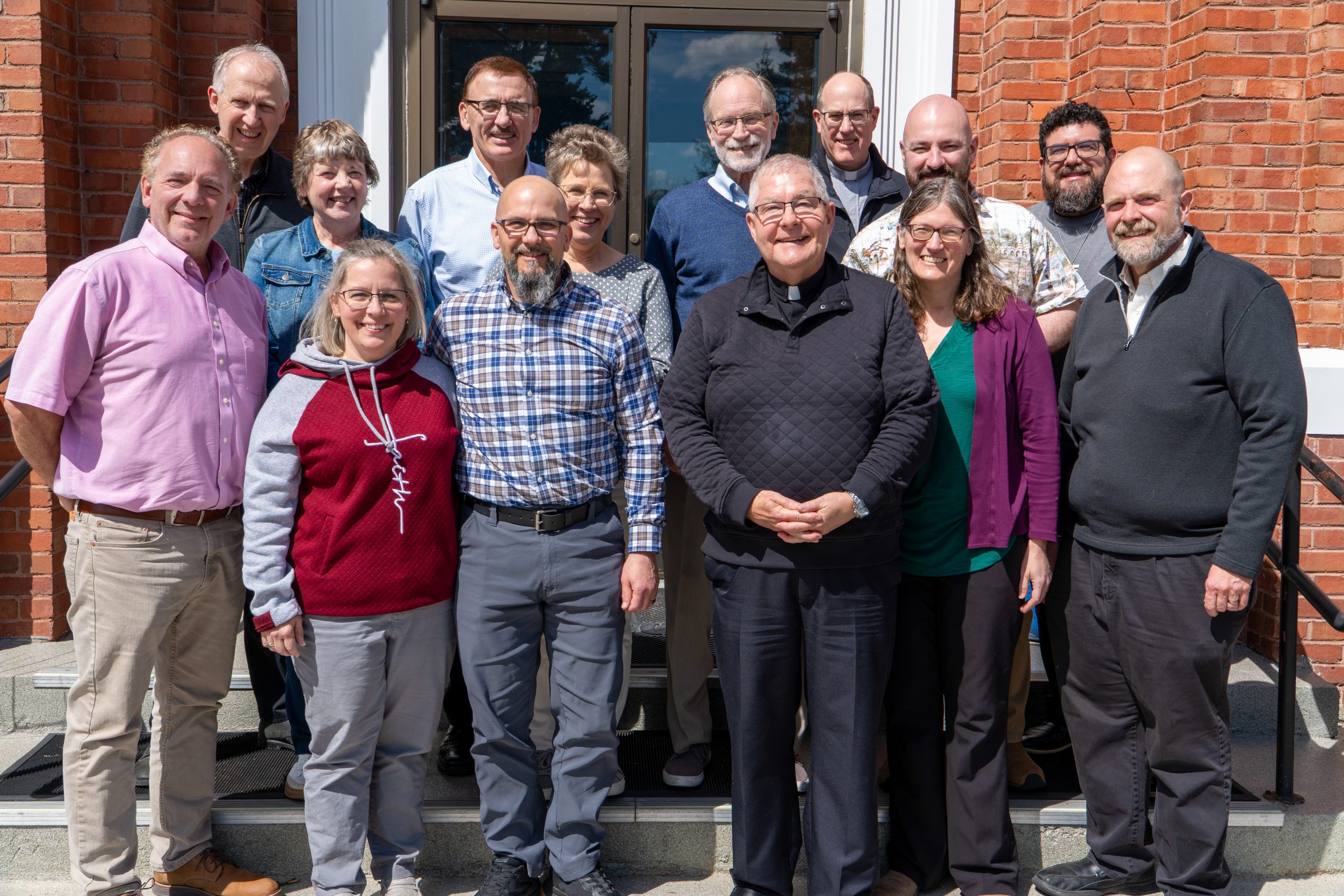
No reflection on this history would be complete without honoring the team that has made it possible.
It begins, of course, with Father Felix, pastor of All Saints Parish in Stanley, whose leadership and creative vision as director have been central to the program’s growth and refinement. He teaches two core courses, holds both group and individual conferences with the men, and somehow manages all of this while pastoring a parish.
As assistant director, academic dean of deacon formation and director of lay formation, my own responsibilities include procuring instructors for both curricula, teaching in the LFI and periodically in deacon formation, and managing the scheduling, budgeting and administrative dimensions of both programs.
Father Justin Kizewski, a priest of our diocese, serves as director of spiritual formation. His day job is director of intellectual formation at St. Francis de Sales Seminary in Milwaukee, and yet he also teaches two core classes and holds both group and individual spiritual conferences with the men in formation. His commitment to this work is extraordinary.
Deacon Jerry Rynda coordinates Pastoral Field Education, placing the men in practical, real-world learning opportunities in parish life. His wise mentorship helps them discern the action of Christ and the Spirit in their apostolic efforts, supported by a team of deacon mentors from all three dioceses.
Chris Carstens, director of the Office for Sacred Worship, expertly coordinates the men’s liturgical formation and teaches in both programs. Ann Lankford, director of the Office for Catechesis and Evangelization, has taken on a growing role in teaching and mentoring evangelization across both programs. This is a contribution that has enriched the formation experience considerably.
The broader faculty, priests, deacons and laypersons from all three dioceses is too numerous to name in full. But one name must not go unspoken: Deacon Bob Hansen, who passed away unexpectedly in 2019. A classmate of Deacon Rynda, Deacon Hansen was a much-beloved mentor whose kindness and wisdom left a lasting mark on every man he accompanied. He is not forgotten.
Finally, Deacon Robert Riedl serves as director of the diocesan Office for the Diaconate, overseeing the ongoing formation of the ordained deacon community. He also carries the crucial responsibilities of screening applicants for admission to formation, chairing the committee that evaluates the men at key junctures, and shepherding matters related to ordination itself. His work is the hinge on which much of the rest turns.
A Humble Mission
The history of deacon formation is a history of many faces—faces of people seeking to respond to the ever-present grace of God. And the mission of forming deacons, or of becoming one, is clothed in humility. Because whatever office they may hold, whatever assignment they may be given, deacons are ordained to personify Christ the Servant, bending down to wash the feet of all whom they encounter. What a privilege it is to be associated with that mission.